
Sherwood Observatory and Science Discovery Centre
Coxmoor Road, Mansfield, Nottinghamshire, NG17 5LF, East Midlands
Sherwood Observatory Science Discovery Centre and Planetarium is an exciting development built on the site of a former Victorian reservoir, located in Nottinghamshire. Originally constructed in the 1880s as a brick-vaulted underground reservoir, this historical site has been reimagined as a state-of-the-art educational facility designed to inspire a new generation of scientists and engineers.
The Science Discovery Centre and Planetarium will serve as a hub for hands-on learning and immersive experiences in STEM (Science, Technology, Engineering, and Mathematics), providing local residents—particularly young people—with the opportunities they need to explore their potential. By fostering curiosity and passion for science, the centre aims to equip visitors with the skills needed for high-skilled, high-paid careers, thereby supporting local job growth, economic prosperity, and improving life chances within the community.
Location events organiser

Sherwood Observatory organises events at this location
Please contact Sherwood Observatory directly with any enquiries relating to visiting this location
Email: [email protected]
Website: Sherwood Observatory
Facebook: Sherwood Observatory
Weather forecast
-
02/09/26
19° 53% -
02/09/26
19° 36% -
02/09/26
19° 14% -
03/09/26
17° 8%
Weather forecast for Ripley (8.7 miles away) updated 01/09/26 at 12:01. Powered by Met Office data.
Local light pollution
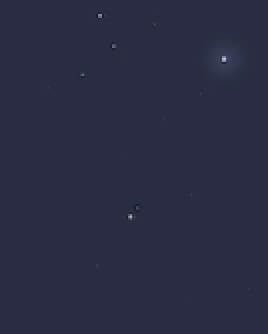
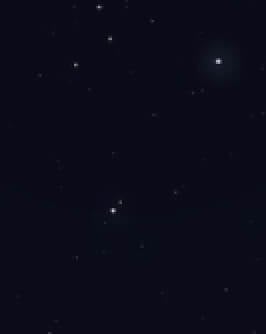
Sherwood Observatory and Science Discovery Centre is estimated to have light pollution levels similar to a suburban location based on the latest data from the VIIRS satellite. For more advanced light pollution data, view this location on DarkSkySites.
-
Urban
-
Suburban
-
Semi-rural
-
Rural
-
Dark site
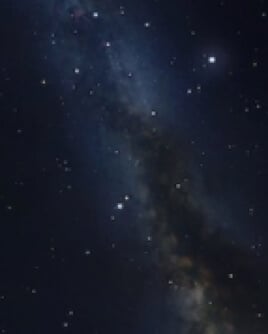
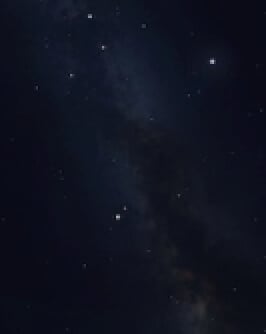
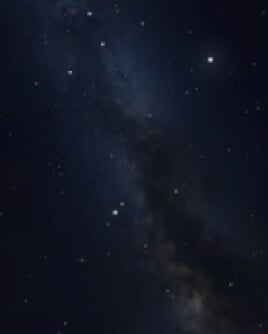
The above demonstrates the estimated effect of light pollution - graphics created using Stellarium.
Light pollution map of Sherwood Observatory and Science Discovery Centre
Best time to visit
The below chart shows when the skies will be at their darkest at this location and therefore the best time to visit. Moonlight is shown in light yellow and the Sun's twilight in light blue. Midnight on the date shown is shown as a white line with sunset to the left and sunrise the next morning to the right. A black background with stars shows the best times for stargazing. See our dark sky calendar for more details.

Wed 2nd Sep

Thu 3rd Sep

Fri 4th Sep

Sat 5th Sep

Sun 6th Sep

Mon 7th Sep

Tue 8th Sep
Find more dates
If you are planning to visit this location check our dark sky calendar to find out when is best!
CalendarForthcoming events
Below is a list of events at Sherwood Observatory and Science Discovery Centre. View these events on our calendar, add them to your calendar or Google Calendar.
Stay and gaze nearby
Stay at one of these stargazing-friendly accommodation providers.