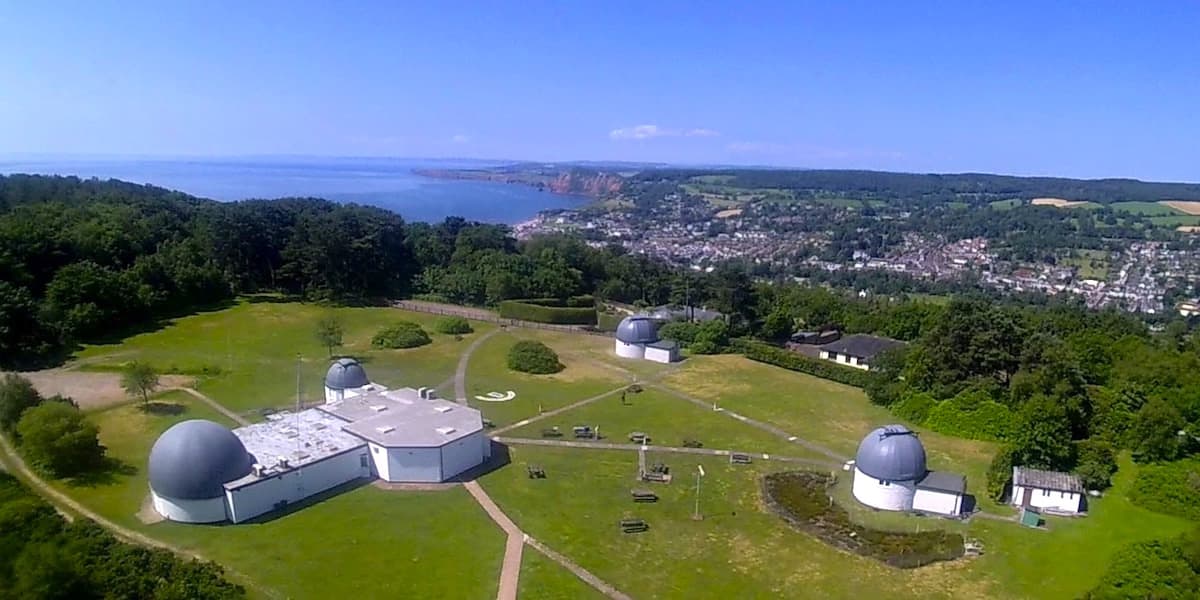
Partial Eclipse and Perseids at the Norman Lockyer Observatory
Wednesday 12th August 2026 from 17:30pm to 23:00pm
Norman Lockyer Observatory and Planetarium
Salcombe Hill Road, Sidmouth, Devon, EX10 0NY
Join the Norman Lockyer Astronomical Society at the historic Norman Lockyer Observatory on Wednesday 12 August 2026 for a remarkable evening of astronomy, combining a partial solar eclipse with the annual Perseids meteor shower.
As the Sun begins to set, witness a rare partial solar eclipse as the Moon passes in front of the Sun, creating a fascinating celestial spectacle low in the western sky. Experienced astronomers will be on hand to guide observations, explain the science behind eclipses, and answer your questions about our nearest star.
Solar viewing glasses will be available courtesy of Go Stargazing, ensuring visitors can observe the eclipse safely.
As darkness falls, the evening continues with viewing of the Perseids meteor shower, one of the highlights of the astronomical calendar. Produced by Earth passing through the debris stream left behind by Comet Swift-Tuttle, the Perseids are renowned for their bright meteors and occasional fireballs.
Visitors will have the opportunity to explore the night sky from one of the UK’s most historic observatories, with telescopes available and expert guidance throughout the evening.
Please remember: never look directly at the Sun without appropriate solar viewing equipment.
Whether you are an experienced stargazer or discovering astronomy for the first time, this promises to be an unforgettable evening under the stars at the Norman Lockyer Observatory.
Event organiser

Norman Lockyer Astronomical Society is organising this event
Please contact Norman Lockyer Astronomical Society directly for more details regarding this event or, if appropriate, contact the event venue.
Email: [email protected]
Website: Norman Lockyer Astronomical Society
Twitter: @NLOastronomy
Facebook: Norman Lockyer Astronomical Society
Event booking
For full details on how to attend this event, including how to book, please see the event's official website.
Visit event websiteEvent darkness
The below chart shows if and when the skies will be at their darkest during this event. Moonlight is shown in light yellow and the Sun's twilight in light blue. Midnight on the date shown is shown as a white line with sunset to the left and sunrise the next morning to the right. A black background with stars shows the best times for stargazing.

Wed 12th Aug
Local light pollution
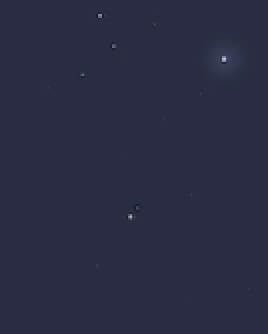
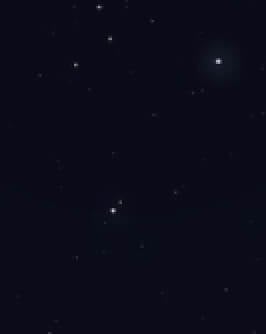
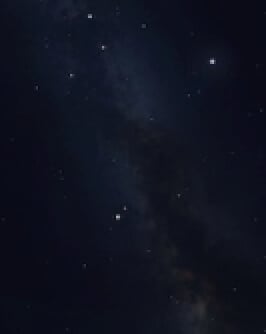
Norman Lockyer Observatory and Planetarium is estimated to have light pollution levels similar to a semi-rural location based on the latest data from the VIIRS satellite. For more advanced light pollution data, view this location on DarkSkySites.
-
Urban
-
Suburban
-
Semi-rural
-
Rural
-
Dark site
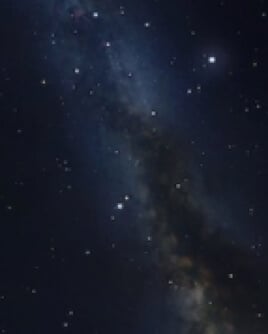
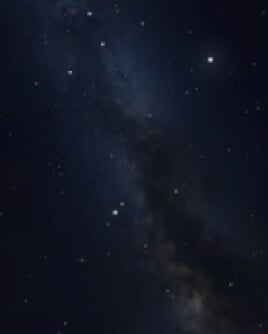
The above demonstrates the estimated effect of light pollution - graphics created using Stellarium.
Light pollution map of Norman Lockyer Observatory and Planetarium
Forthcoming events
Below is a list of events at Norman Lockyer Observatory and Planetarium. View these events on our calendar, add them to your calendar or Google Calendar.
Stay and gaze nearby
Stay at one of these stargazing-friendly accommodation providers.